If you have shopped for feng shui wealth bracelets, you have probably seen the same mythical creature sold under two different names: Pixiu and Piyao. Naturally, that raises the question of whether you are looking at two different creatures or the same one with two spellings. Here is the honest, direct answer.
Short answer: in most jewelry today, they are the same creature
In the overwhelming majority of feng shui jewelry and retail descriptions, “Piyao” and “Pixiu” refer to the same mythical wealth-guarding creature: a winged, lion-like beast, sometimes shown with a single horn, believed to devour wealth and misfortune without releasing it, which is why it is considered a powerful symbol for attracting and holding onto prosperity. If a product description uses one name or the other, you should generally expect the same underlying symbolism either way.
Where the names actually come from
The picture is a little more layered if you look at older Chinese texts and regional traditions, where the naming is not perfectly consistent:
- Pixiu (貔貅) is the term most commonly used in modern Chinese and in most feng shui product descriptions worldwide.
- Piyao is sometimes used as a regional or alternate name for the same creature, and in some traditions the Pixiu pair is described as two creatures, one with a single horn, sometimes called Tianlu, and one without, with Piyao occasionally used to refer to the hornless one specifically. Different sources and sellers are not fully consistent about this finer distinction.
- Both names are frequently used as the general term for “the Chinese wealth-guarding lion-dragon creature” in English-language product listings, without drawing the finer distinction above.
Because the finer mythological distinction varies between sources and is not applied consistently even within Chinese tradition, the practical takeaway for jewelry is simple: treat “Piyao” and “Pixiu” as the same symbol unless a specific seller explains a particular distinction they are drawing.
What the Pixiu/Piyao symbol is believed to do
The core belief is consistent across both names: the creature is said to have no anus, meaning it can only take wealth in and never let it out, which is why it is associated with accumulating and protecting money rather than general good luck. For a full look at how people traditionally wear and activate a Pixiu bracelet, see our guide on Pixiu bracelet meaning and benefits and how to activate a Pixiu bracelet.
A Piyao bracelet example
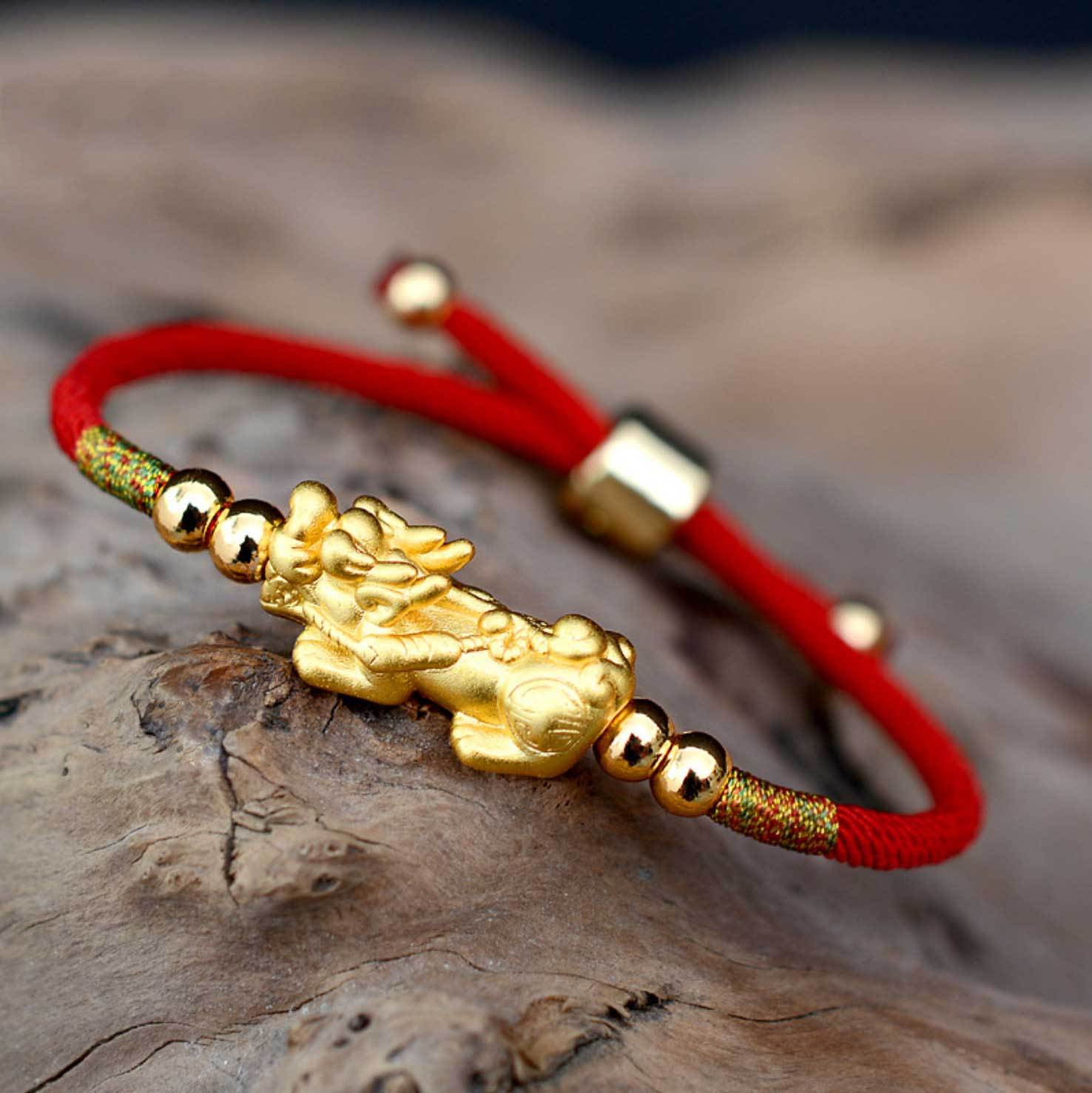
The Feng Shui Piyao Wealth & Protection Red String Bracelet features an alloy Piyao charm on a red cord, and is described by the brand itself using the same wealth-guarding symbolism associated with Pixiu, which matches the general pattern described above.
Frequently asked questions
Should I buy a “Piyao” bracelet or a “Pixiu” bracelet?
For most buyers, it does not matter which name is used; the symbolism and intended meaning are the same in nearly all retail contexts. Choose based on the design and materials you like rather than the name alone.
Is one name more “correct” than the other?
Pixiu is the more common and widely recognized term today, but Piyao is not incorrect, it reflects a genuine regional or alternate naming tradition rather than being a made-up term.
Does the direction the creature faces matter?
Some feng shui guidance about Pixiu figurines (placing the head facing a door or window) exists for home decor pieces, but this is generally not something that applies to a small bracelet charm worn on the wrist.
A note: the meanings described here reflect feng shui tradition and folk belief, which vary between regional sources, not a single uncontested historical record.
[social_share]