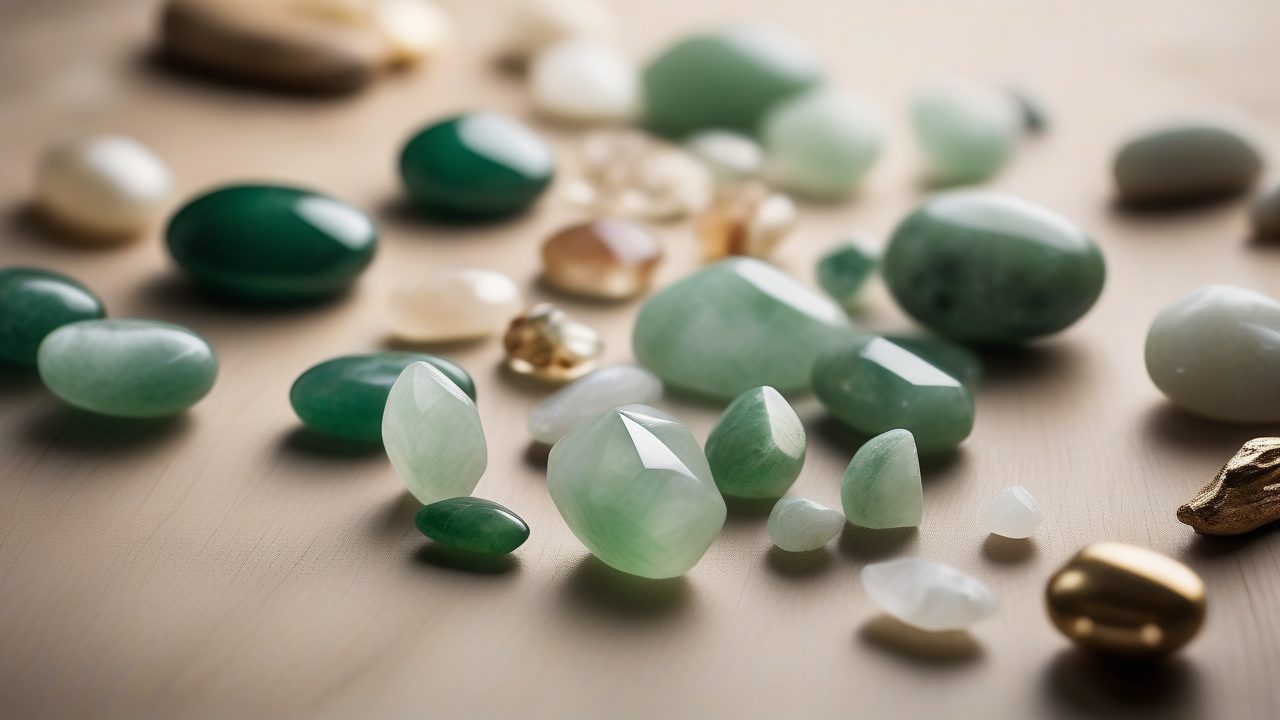
Jade isn’t just a gemstone; it’s a piece of history and a powerful spiritual tool. Whether you’re drawn to it for its vibrant green hue or its protective Feng Shui properties, buying jade can be intimidating because the market is flooded with ‘imposters.’ I remember walking through the jade markets in Hong Kong with my grandfather when I was just a boy. He would pick up a bangle, hold it to the light, and whisper, “Marcus, the stone talks to those who know how to listen.” Back then, I thought he was being poetic. Now, after decades of study, I realize he was being literal. Real jade has a specific resonance, a temperature, and a ‘soul’ that glass or plastic just can’t mimic.
In this guide, I’m going to share everything I’ve learned about identifying authentic jade so you can invest in a piece that truly resonates with your energy and lasts a lifetime. We’re living in 2026, the Year of the Fire Horse, a year where clarity and truth are more important than ever. If you’re looking for how to choose real jade jewelry, you’ve come to the right place. I’ve seen too many clients come to me with “jade” that turned out to be dyed quartz or even resin, and it breaks my heart because the spiritual connection they were seeking wasn’t there. Let’s make sure that doesn’t happen to you.
1. Nephrite vs. Jadeite: Knowing the Two Faces of Jade
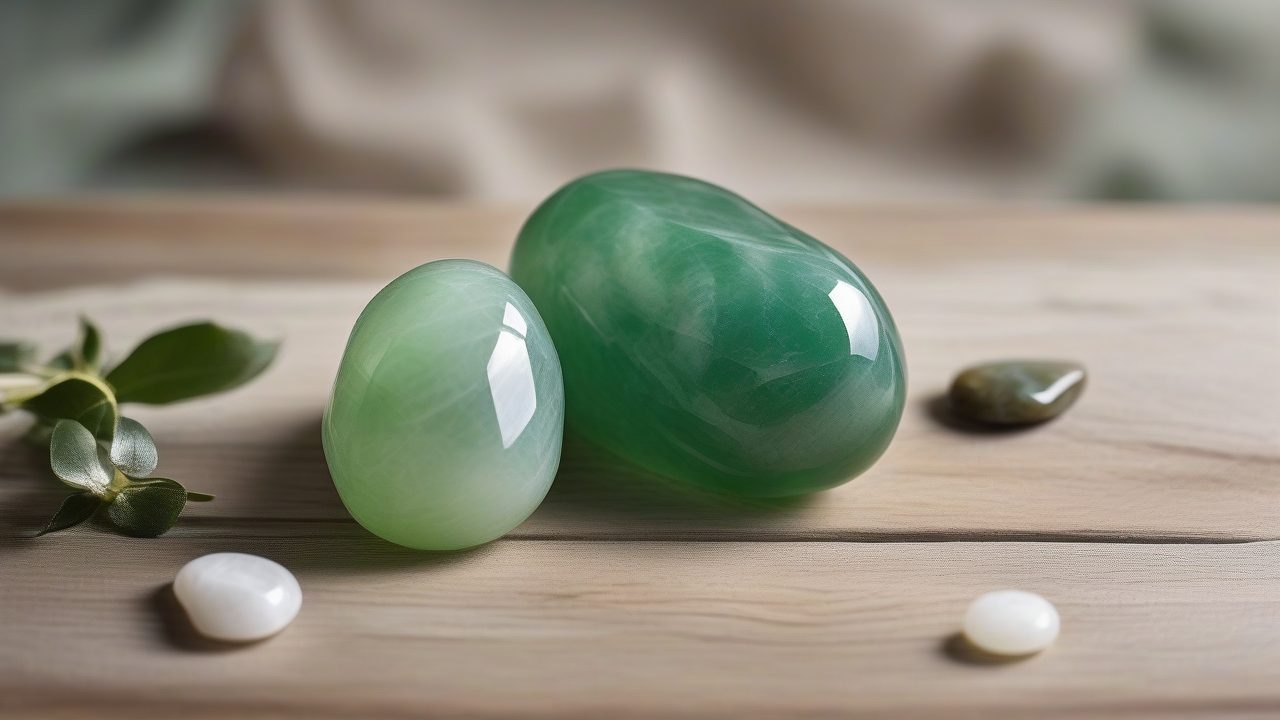
First things first, when we talk about jade, we’re actually talking about two distinct minerals: Nephrite and Jadeite. For centuries, the world didn’t even realize they were different. It wasn’t until the 1860s that a French mineralogist pointed out the distinction. But in the world of Feng Shui and jewelry, knowing which one you’re holding makes a world of difference.
1.1. The historical significance of Nephrite
Nephrite is the “traditional” Chinese jade. It’s what you’ll see in ancient museum carvings and burial suits. It’s incredibly tough, stronger than steel in terms of impact resistance, which is why it was used for axe heads before it became a symbol of status. Nephrite usually comes in creamy whites (often called “mutton fat” jade) and deep, forest greens. It has a waxy luster that feels soft to the touch. If you’re looking for deep ancestral connection, Nephrite is your stone. I often recommend it to people who need grounding energy. You can learn more about these properties in our article on Why You Should Wear a Jade Bracelet for Protection.
1.2. Why Jadeite is the ‘Imperial’ choice
Jadeite is the “newcomer,” relatively speaking, having gained popularity during the Qing Dynasty. It mostly comes from Myanmar (Burma). It’s harder than Nephrite and can achieve a level of translucency that looks like a drop of water. This is the stuff of legends, the “Imperial Green” that can cost more than diamonds. It’s vibrant, glassy, and holds a very high-frequency energy. When people ask how to choose real jade jewelry for wealth and status, they are usually looking for Jadeite.
1.3. Key differences in durability and color range
While both are tough, Jadeite is slightly harder on the Mohs scale (6.5 to 7) compared to Nephrite (6 to 6.5). However, Nephrite is actually more “tenacious,” meaning it’s less likely to shatter if you drop it. Color-wise, Jadeite is the peacock of the family, it comes in lavender, red, yellow, and even black. Nephrite stays in the more “earthy” lane of whites, greens, and browns.
1.4. Which one is right for your personal style?
This really comes down to your “vibe.” Do you want something that feels like an ancient, matte talisman? Go for Nephrite. Do you want something that sparkles with a glassy finish and vibrant color? Jadeite is your best bet. Here’s a quick breakdown to help you decide:
| Feature | Nephrite | Jadeite |
|---|---|---|
| Luster | Waxy / Greasy | Vitreous (Glass-like) |
| Common Colors | White, Spinach Green, Black | Emerald Green, Lavender, Ice |
| Traditional Use | Ancient Carvings, Grounding | High Jewelry, Wealth Attraction |
2. The Grading System: Understanding Type A, B, and C Jade
This is where most people get tripped up. In the jade trade, “real” doesn’t always mean “natural.” A piece of jade can be chemically altered and still be called “jade,” which is why understanding the A-B-C grading system is non-negotiable. I tell my clients: if the price seems too good to be true, you’re likely looking at Type B or C.
2.1. Type A: 100% natural and untreated
Type A jade is the gold standard. It has undergone no chemical treatment. It’s only been carved and polished (sometimes with a light coating of colorless wax, which is standard and accepted). This stone is “alive.” In Chinese culture, we believe Type A jade absorbs your energy and protects you. Over time, it can actually change color slightly as it interacts with your body’s oils, a phenomenon we call “the jade growing with the person.”
2.2. Type B: The bleaching and polymer injection process
Type B jade is natural jade that has been “cleaned.” Usually, this means it was soaked in strong acids to remove brown or yellow impurities. This leaves the stone porous, like a sponge. To fix this, it’s injected with polymer resin. It looks beautiful at first, but the resin can turn yellow or brittle over time. More importantly, from a Feng Shui perspective, the acid bath “kills” the stone’s natural energy. It’s effectively a zombie stone.
2.3. Type C: Dyed jade and why it fades over time
Type C jade is Type B plus color. The dye is injected along with the resin to give it that “Imperial Green” or “Royal Lavender” look. This is the most common type of “fake” looking jade you’ll see in tourist shops. If you wear it in the sun or shower with it, the color will eventually leak or fade. It’s purely decorative and has zero spiritual value. Sometimes you’ll even see “B+C” jade, which is both bleached and dyed.
2.4. How to read a laboratory certificate
Don’t just take the seller’s word for it. A reputable seller will provide a certificate from a recognized gemological lab (like GIA or a local specialized jade lab). Look for the phrase “Natural Jadeite” or “Type A.” If it says “treated,” “polymer impregnated,” or “dyed,” walk away unless you just want a cheap fashion accessory. And check the date, certificates from 2026 are great, but older ones are fine too, as long as the lab is legitimate.
3. The 4 Cs of Jade Quality
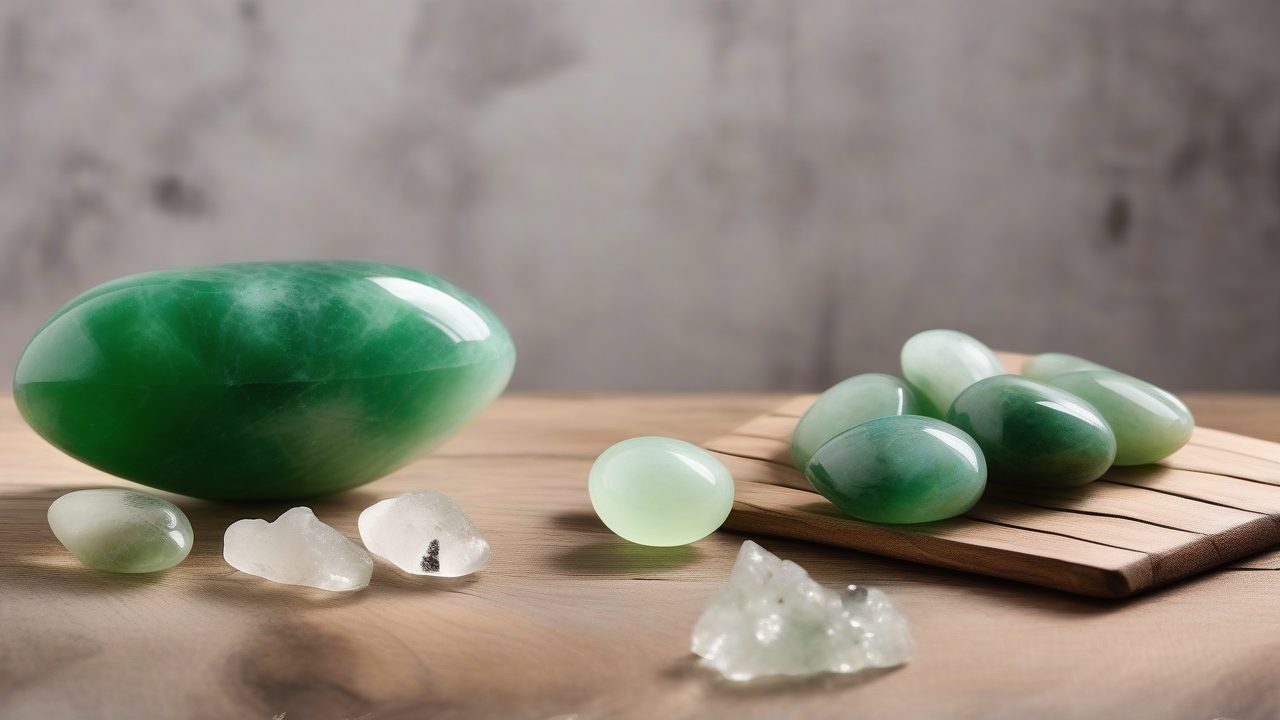
Just like diamonds, jade has its own set of quality markers. However, they are a bit more subjective. When you’re learning how to choose real jade jewelry, you need to train your eye to look for the “glow.”
3.1. Color: Beyond ‘Imperial Green’
Color is the most important factor in pricing. While green is king, don’t overlook lavender (for grace and intuition), white (for purity and mental clarity), or even red (for vitality). The key is “evenness.” A stone with a patchy, splotchy color is usually less valuable than one with a smooth, consistent hue. However, in some pieces, a “splash” of bright green on a white background (called “Moss in Snow”) is highly prized.
3.2. Transparency and Texture: The ‘water’ of the stone
In the trade, we call this the “water” (shui). High-quality jadeite should look like it’s holding a drop of water inside. When light passes through it, it should glow. This is “translucency.” Texture refers to the grain of the stone. The finer the grain, the more “oily” and smooth the surface looks. If it looks grainy like sugar, it’s lower quality.
3.3. Clarity: Identifying natural inclusions vs. Structural cracks
No natural stone is perfect. Tiny black spots or white “cotton” clouds are actually signs that the stone is natural (Type A). However, you must distinguish these from “cracks.” A crack that reaches the surface can compromise the stone’s durability. Use your fingernail to feel the surface; if it catches, that’s a crack, not an inclusion.
3.4. Craftsmanship: How the cut affects the stone’s value
A master carver knows how to work around the stone’s natural flaws. Look at the symmetry. If it’s a bangle, is it perfectly round? If it’s a Buddha carving, are the features delicate and peaceful? Poor carving can make even a high-quality stone look cheap.
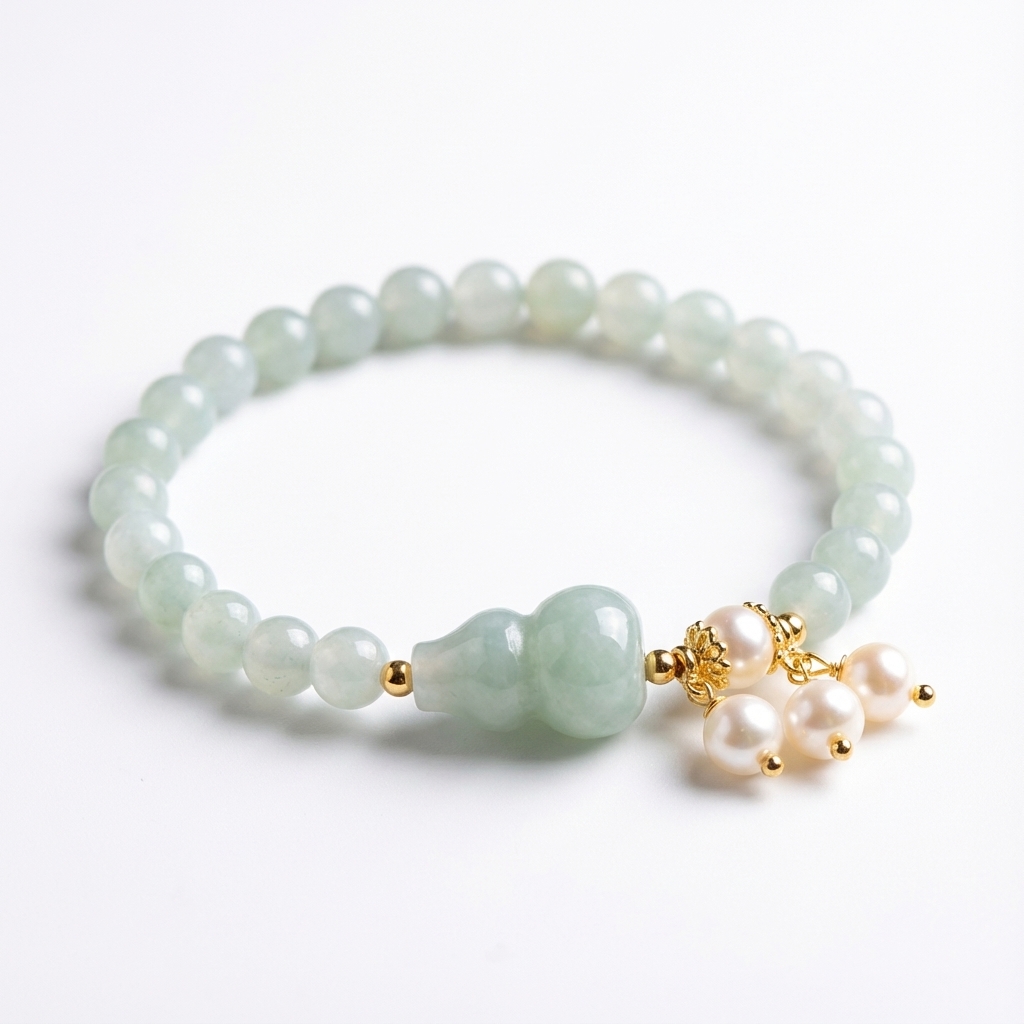
Light Green Jade Wu Lou Bracelet for Health & Protection
This is a perfect example of how to incorporate jade into daily life. The light green color has a gentle, healing energy, while the Wu Lou (gourd) symbol is a traditional Feng Shui cure for health. It’s an excellent choice for those who want the protective benefits of jade without the heavy price tag of Imperial-grade stones.
4. Simple At-Home Tests (And Their Limitations)
I get asked about this all the time. “Marcus, can I just do the hair test?” Look, while these tests aren’t 100% foolproof, they can help you rule out the most obvious fakes. Just remember: professional testing is the only way to be certain.
4.1. The Temperature Test: Feeling the cold
Real jade is a very dense stone. It’s a great conductor of heat, but it takes a while to warm up. When you pick up a real jade piece, it should feel icy cold against your skin, colder than most other stones. If you hold it in your hand for a minute, it will eventually warm up, but if it feels warm or “room temperature” the moment you touch it, it might be plastic or glass.
4.2. The Sound Test: Listening for the ‘clink’ in bangles
This is my favorite. If you have two pieces of jade (or a piece of jade and a coin), gently tap them together. Real, high-quality Type A jade has a high-pitched, musical “clink” that resonates. It sounds like a tiny bell. Type B or C jade, because of the resin inside, will produce a dull “thud” or a “clack.” I’ve seen people in markets using this test for years, it’s surprisingly effective for bangles.
4.3. The Light Test: Checking for internal structures
Hold the jade up to a strong light source or use a jeweler’s loupe. You’re looking for “interwoven” fibers. Real jade has a felt-like, fibrous structure. If you see perfect transparency with no internal details, it’s probably glass. If you see tiny air bubbles, it is definitely glass. Nature doesn’t make air bubbles in stone.
4.4. The Scratch Test: Why you should be careful with this one
The old wisdom says jade is so hard it can’t be scratched by metal. While true, I don’t recommend taking a knife to a piece of jewelry you haven’t bought yet! Most sellers will (rightfully) kick you out. Some high-quality fakes are made of materials that are also quite hard. Use this as a last resort on a hidden area, but honestly, the light and sound tests are much safer.
5. Choosing Jade for Spiritual and Feng Shui Benefits
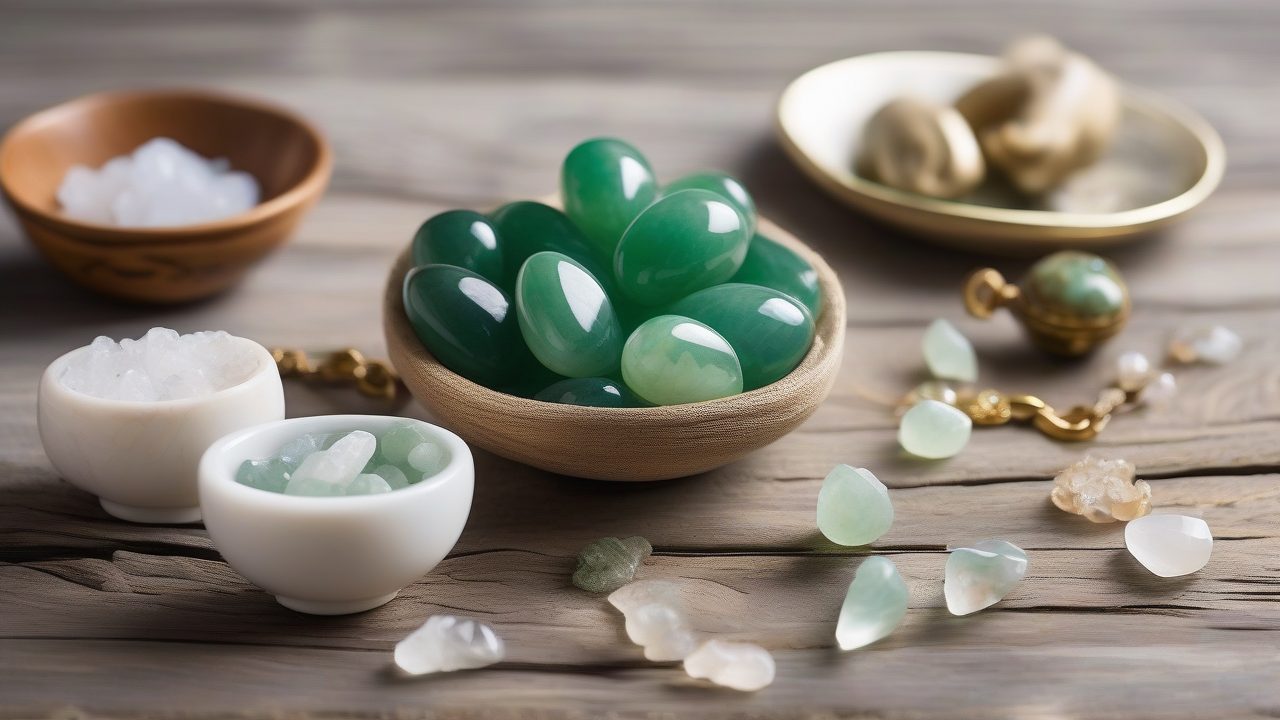
In my practice as a Feng Shui consultant, I often use jade as a “remedy.” But the remedy only works if the stone is real. In 2026, we are dealing with the Jade Star 3 in the North Palace, which can bring conflict if not managed correctly. Wearing jade can help harmonize this energy.
5.1. The protective energy of green jade
Green jade is the ultimate balancer. It resonates with the Heart Chakra. I often tell my clients that wearing a green jade bracelet acts like a spiritual shield. It absorbs the “negative hits” that might otherwise affect your health or mood. For more on the specific meanings, check out our guide on Green Jade Bracelet Feng Shui Meaning.
5.2. Matching jade colors to your intentions
Don’t feel restricted to green. If you’re looking for different types of support in 2026, consider these options:
- Lavender Jade: Best for emotional healing and peace.
- Yellow/Red Jade: Great for boosting energy and motivation (perfect for the Fire Horse year).
- White Jade: Ideal for decision-making and clearing mental clutter.
- Black Jade: Powerful for protection against “evil eye” or office politics.
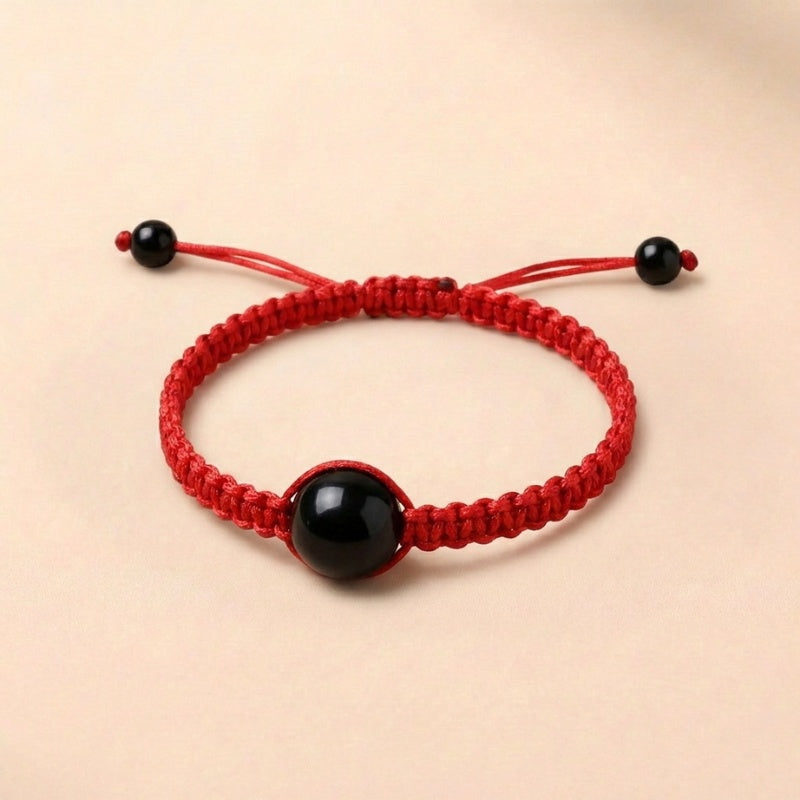
Rainbow Obsidian & Red String Grounding Bracelet
While not jade, obsidian is often used alongside it for its immense grounding properties. If you find jade too “light” or “floaty,” pairing it with obsidian can help anchor your energy, especially during the fast-paced transitions of 2026.
5.3. Why the ‘soul’ of the stone matters more than the price tag
I once had a client who spent $20,000 on an Imperial Green pendant, but she hated wearing it. She said it felt “heavy” and “cold.” Meanwhile, she had a $50 Nephrite bead that she loved. In Feng Shui, your personal connection to the stone is what activates its power. If you don’t like looking at it, it won’t help you. Trust your intuition, if a stone “calls” to you, it’s likely the one you need.
5.4. Cleansing your new jade jewelry before wearing
Once you’ve figured out how to choose real jade jewelry and made your purchase, you must cleanse it. Jade is like a sponge for energy. It might have picked up the stress of the seller or the “desperation” of the market. I recommend a simple salt water bath (if it’s just the stone) or smudging it with sandalwood incense. Set your intention clearly: “I cleanse this stone of all past energies and dedicate it to my protection and prosperity.”
6. Buying Tips: How to Shop Like a Pro
Shopping for jade should be an enjoyable experience, not a stressful one. Here is my personal checklist for when I go out to source pieces for the shop or for my private clients.
6.1. Red flags to watch out for in online listings
Online shopping is convenient, but it’s the Wild West for jade. Avoid listings that use terms like “Jade-style,” “Malaysia Jade” (usually dyed quartz), or “New Jade” (usually serpentine). Also, be wary of photos that look overly saturated. If the green looks “neon,” it’s probably dyed. Check for a return policy; a seller who doesn’t allow returns is a seller who doesn’t trust their own product.
6.2. Questions to ask your jeweler
Don’t be shy! A good jeweler loves to talk about their stones. Ask: “Is this Type A?” “Do you have a certificate from an independent lab?” “Where was this stone sourced?” If they hesitate or get defensive, that’s your cue to leave. Also, if you’re buying a bracelet, make sure you’ve measured correctly. You can follow our guide on How to Actually Measure Your Bracelet Size Like a Pro to ensure a perfect fit.
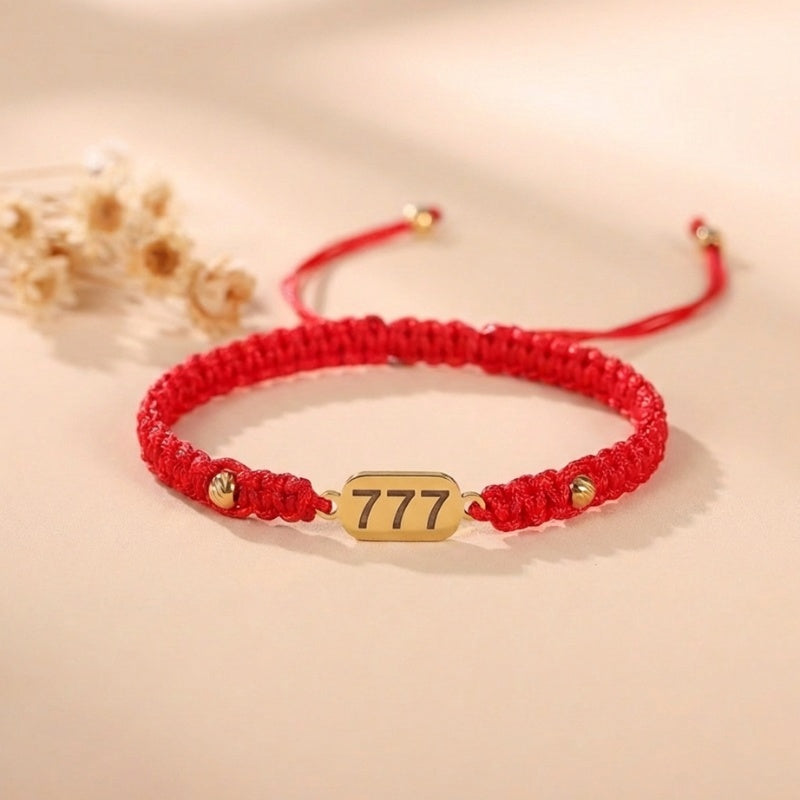
777 Angel Number Red String Bracelet for Positive Energy
In the numerology of 2026, 777 is a powerful sequence for spiritual alignment. This bracelet is a modern talisman that works beautifully alongside jade jewelry to amplify your intentions for luck and positive shifts.
6.3. Understanding market pricing and ‘too good to be true’ deals
Jadeite is a non-renewable resource, and the mines in Myanmar are becoming more difficult to work. This means prices are only going up. A true Type A Jadeite bangle for $20? Impossible. You’re looking at at least $100 for a very basic, opaque Type A piece, and prices go up into the millions from there. Nephrite is generally more affordable but still carries a premium for high-quality “mutton fat” white varieties.
6.4. The importance of a return policy and certification
I can’t stress this enough. Even experts get fooled occasionally. Having a 30-day return window allows you to take the piece to a local gemologist for a second opinion. It’s the ultimate peace of mind.
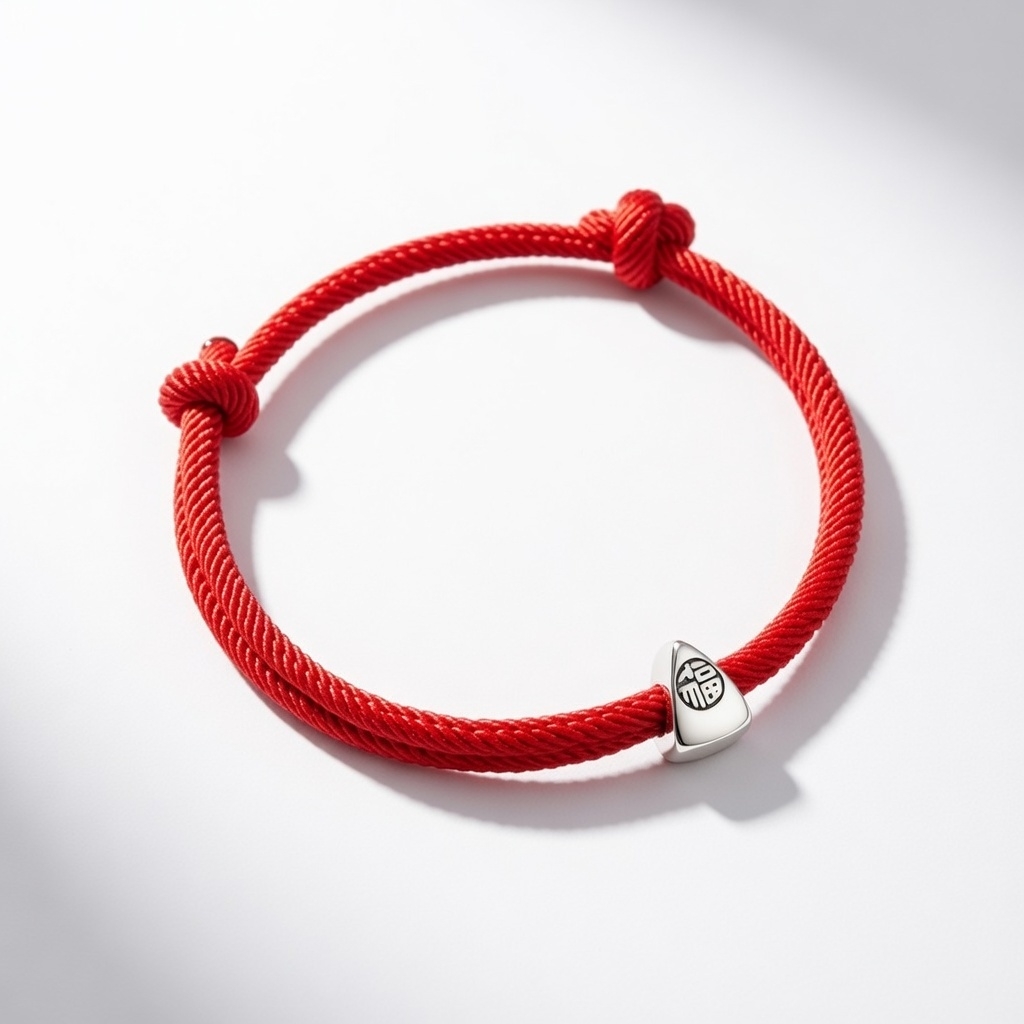
Sterling Silver Red String Fu Bracelet for Wealth & Protection
If you’re not ready to commit to a full jade piece, this sterling silver Fu bracelet is a classic alternative. The “Fu” symbol represents blessings and good fortune, making it a staple for anyone following traditional Feng Shui practices.
Step-by-Step Checklist for Buying Real Jade
- Check the Luster: Does it look like glass/oil (Jadeite) or wax/grease (Nephrite)?
- The Feel: Is it cold to the touch? Does it have a good weight for its size?
- The Light Test: Can you see fibrous structures inside? Are there air bubbles (fakes)?
- The Sound Test: Does it “clink” like a bell or “thud” like plastic?
- The Price: Does the price match the quality? (Be wary of cheap “Imperial” jade).
- The Certification: Is there a Type A certificate from a reputable lab?
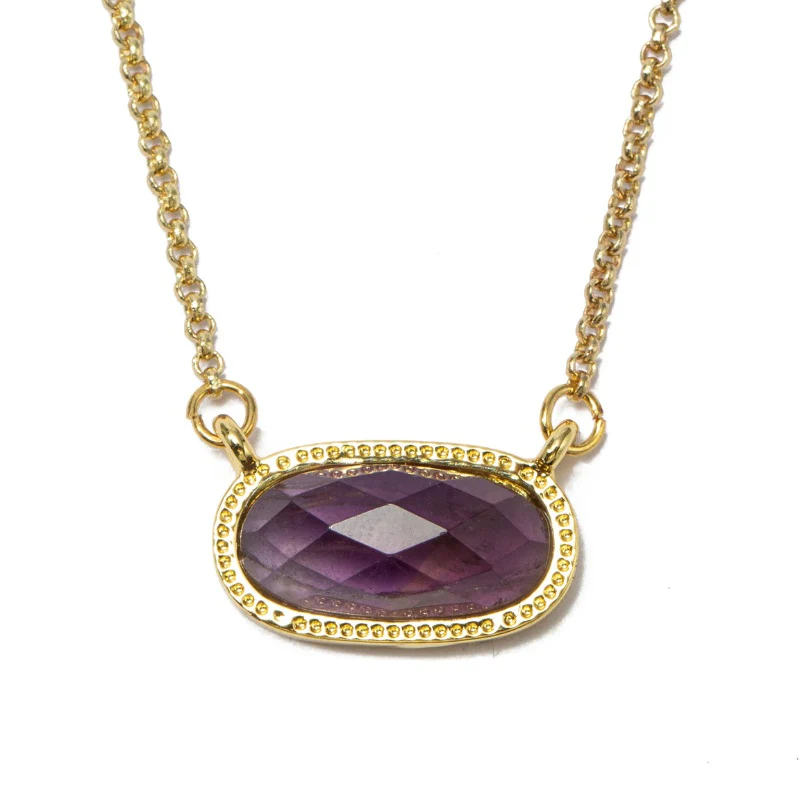
Authentic Crystal Pendant Necklace for Luck & Prosperity
For those who love the energy of natural stones, this multi-crystal necklace is a great way to balance different aspects of your life. It features genuine stones that complement the protective nature of jade perfectly.
Frequently Asked Questions
Can real jade be scratched by a knife?
Generally, yes, real jadeite and nephrite are hard enough to resist most steel blades. However, I strongly advise against this. Some modern glass fakes are treated to be very hard, and some genuine jade might have minor surface treatments that could be marred. It’s an outdated test that can cause unnecessary damage to a beautiful stone.
Why did my jade change color after I wore it?
This is actually a wonderful sign! In Chinese culture, we say “the jade is nourished by the person.” Real Type A jade is slightly porous. Over time, it absorbs tiny amounts of your body’s natural oils. This can fill in microscopic gaps in the stone, making it look more translucent or vibrant. It’s a sign that the stone is bonding with your energy.
Is ‘New Jade’ or ‘Serpentine Jade’ real jade?
No. These are common marketing terms used to sell Serpentine, which is a much softer and less valuable stone. While Serpentine is a lovely natural mineral in its own right, it doesn’t have the durability or the specific Feng Shui properties of true Jadeite or Nephrite. If you’re looking for how to choose real jade jewelry, stay away from “New Jade.”
How can I tell if my jade is dyed?
Look at the “veins” of color. In natural jade, the color is part of the stone’s structure. In dyed (Type C) jade, the dye often settles into the tiny cracks and crevices, making the color look like a web of darker lines. Also, dyed jade often looks “too perfect”, the color is too uniform and lacks the natural depth of real stone.
Is it okay to buy jade that isn’t green?
Lavender is particularly prized for its connection to the Kuan Yin energy of compassion. Don’t let the “green only” myth stop you from finding a stone that truly speaks to you.
Conclusion
Choosing real jade is a journey of both the mind and the heart. By understanding the technical grades and trusting your intuition, you can find a piece that offers beauty, protection, and a deep connection to the earth. It’s about more than just a transaction; it’s about finding a companion. I’ve seen jade pieces passed down through four generations in my own family, each person adding their own energy to the stone.
Remember, a true piece of jade will ‘grow’ with you over time. It will be there during your toughest days and your most joyful celebrations. Don’t rush the process. Whether you’re looking for a simple bead or a magnificent bangle, take your time, ask the right questions, and let the stone talk to you. You’ll know it’s the right one when you put it on and it just feels like it was always meant to be there. Here’s to finding your perfect piece of the “Stone of Heaven” in 2026.
Ready to find your perfect piece? Browse our curated collection of certified Type A Jadeite jewelry and find the stone that speaks to your spirit today.
[social_share]